

Hey everyone,


If you’ve ever seen a command truck roll up to a late-night emergency or a wild after-hours event, you might’ve noticed how its lighting doesn’t just “light up the road.” It’s not just a bunch of fancy bulbs strung on the sides—it’s a carefully designed system that keeps ops running smooth when the sun’s gone down. As a command truck supplier, I’ve spent years troubleshooting, upgrading, and obsessing over how these lights make all the difference when visibility is zero and decisions need to be fast. Let’s break down how it works, no tech jargon dumped on you—just real stuff we deal with every day.
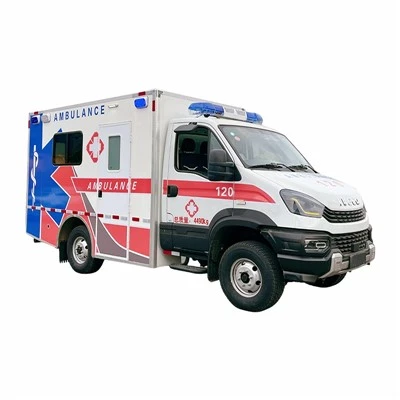
First off, let’s talk about the big, obvious ones: the roof-mounted light bars. These aren’t your average truck lights. They’re usually LED-based (we’ve all moved away from old halogen, right? They die too fast) with adjustable brightness and different flash patterns—steady burn, slow blink, fast blink, even synchronized strobes. When we’re setting up at a fire scene or a multi-car crash, those bars cut through total darkness (or even fog, which is way worse at night) and let everyone from on-scene firefighters to traffic cops spot the command truck immediately. No more driving around looking for the “command post” in the dark—those lights act like a big glowing sign that says “THIS IS WHERE WE RUN THE SHOW.” We’ve designed this into all our models, from the heavy-duty fire rigs to the more agile vans, like our Fire Emergency Communication Command Vehicle line. That bar isn’t just for show; it’s the first layer of situational awareness.
But what about when you’re not just stopping traffic—you’re actually working? Once the command truck is parked, you need to light up the area around it so crews can set up tables, radios, laptops, or set up tents. That’s where perimeter lighting comes in. Think of these as spotlights or floodlights mounted on the sides, undercarriage, or fold-out awnings. The key here is they’re dimmable—no blinding the people working nearby. At a recent disaster response drill we did, we adjusted one of these floodlights so it lit up a 20-foot radius where our team was mapping the scene, but didn’t shine in the eyes of the firefighters loading gear a few feet away. For night operations, that’s crucial: you want visibility where you need it, not a huge glare that kills night vision for everyone. We include this feature on all our command trucks, like our Maxus Mobile Command Van Truck, because it’s perfect for smaller operations where you don’t need a massive rig but still need solid area lighting.
Then there’s the stuff that’s not for outside eyes—inside lighting, but not just regular cab lights. Command trucks have work lights inside that are designed to be low-glare so operators can look at screens and paper without straining their eyes. Night ops mean your pupils are dilated to get as much light as possible, so harsh overhead lights in the cab make it impossible to read a map or stare at a computer monitor. We use task lights that clip to desks or fold down from the ceiling, and they’re often color-coded—warm white for general work, cool white for reading digital screens. I’ve had crew chiefs tell us this small change made them way more efficient at 2 a.m., when they’re tired enough without fighting bad lighting. Our Buick GL8 Mobile Command Center, for example, has optimized interior lighting that keeps the team sharp and focused during long night shifts.
Here’s a part people don’t talk about enough: lighting that works with the truck’s equipment, not against it. Command trucks carry all sorts of sensitive gear—radios, servers, satellite systems—that need to stay cool and undisturbed. When we tested our Iveco Mobile Command Vehicle, we noticed that regular heat-generating lights would make the air conditioning work overtime, taking power away from the comms system. So we switched to high-efficiency LED lighting that puts out almost no heat, even when running at full brightness. That small tweak means we can keep all our gear on during a 12-hour night operation without draining the battery or overheating. It’s these little science-backed choices that make the lighting system actually useful, not just something that adds weight to the truck.
Another big one for night ops: emergency and hazard lighting that’s customizable. Let’s say you’re at a search and rescue mission—you don’t want to blind the search dogs or hikers who might have flashlights. Our Sinotruk Sitrak Mobile Command Center lets you switch the roof bar to a dimmer, steady amber light instead of bright white or red. Amber is easier on night vision, so search teams can keep their night vision goggles (NVGs) on while still seeing where they’re going. NVGs are super common for night missions, but regular white lights wash out their effectiveness. Our lighting systems are designed to be NVG-compatible, so crews don’t have to flip lights on and off every two minutes. That’s a game-changer for search and rescue or military-style night ops, where every second counts.
We’ve also had to think about extreme conditions. Last year, we delivered a command truck to a team that works in remote areas of Alaska, where winter nights can last 20 hours and temperatures drop to -40°F. Their old truck’s lights would freeze up and stop working after a few hours. Our lighting systems have heated bulb housings and weather-sealed wiring, so they don’t freeze or get clogged with snow. The floodlights have adjustable mounts so you can clear snow off them manually without having to climb up on the roof in a blizzard. It’s these real-world fixes, built from what our customers actually go through, that make the lighting system reliable when you can’t afford a breakdown at 3 a.m.
Now, let’s talk about how all this ties together into better operations. Night ops are way more dangerous because visibility is low—you’re more likely to have a crew member trip over gear, a bystander walk into a work zone, or a critical piece of equipment break because you can’t see it. A good command truck lighting system eliminates most of those risks. At a recent multi-vehicle crash on a dark highway, our customer told us that without the command truck’s perimeter lights and roof bar, they would’ve had to use flashlights held by hand, which were blocking their view of the accident scene. The floodlights let them set up a safe work zone in minutes, and the NVG-compatible lights let the medical team work efficiently without wasting time adjusting lighting.
As a supplier, we don’t just sell lights—we design them around what command teams actually need. Every time we get feedback from a fire department, emergency response team, or disaster relief group, we tweak our lighting systems. Maybe we add a new adjustable mount for a spotlight, or make the interior lights dimmable with one touch from the driver’s seat. We’ve built these features into our entire line, from the heavy-duty fire rigs to the compact vans, because no matter the mission, night ops require lighting that’s smart, flexible, and reliable.
If you’re in the market for a command truck that’s built for after-hours work, we’ve got the models tailored to different needs. Our Fire Emergency Communication Command Vehicle is purpose-built for fire scenes, with extra-bright perimeter lighting and NVG compatibility. Our Maxus Mobile Command Van Truck is perfect for smaller, agile missions like search and rescue, with compact roof lights and low-glare interior workspaces. The Buick GL8 Mobile Command Center is great for urban operations, where you need to move fast and fit in tight spaces. The Iveco Mobile Command Vehicle handles rough terrain and extreme weather, like those Alaska winters we talked about. And for large-scale disasters or long-haul missions, the SINOTRUK Sitrak Mobile Command Center has heavy-duty lighting that runs for hours without draining power.
At the end of the day, the command truck’s lighting system is all about one thing: letting teams focus on the job, not on seeing. Whether it’s finding a fire in the dark, coordinating a multi-agency response, or helping search for a missing hiker after sunset, the right lights turn chaos at night into a controlled, efficient operation. If you’re looking to upgrade your command truck’s lighting or pick out a new model for your team, reach out to us to chat through what your specific needs are. We’re here to help you build a system that works when the sun goes down.
References:
- National Fire Protection Association. (2021). NFPA 1901: Standard for Automotive Fire Apparatus. Quincy, MA: NFPA.
- International Association of Chiefs of Police. (2022). Night Operations Safety Guidelines for Emergency Command Vehicles. Alexandria, VA: IACP.
- U.S. Department of Transportation, Federal Motor Carrier Safety Administration. (2020). Lighting and Visibility Standards for Commercial Emergency Vehicles. Washington, D.C.: FMCSA.