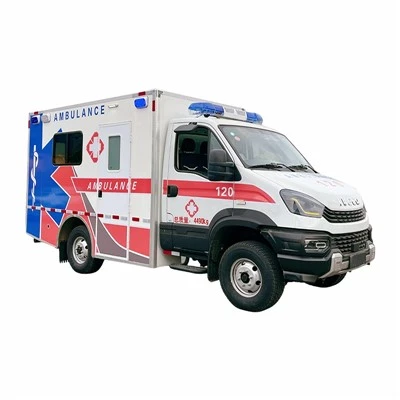


If you’re reading this, chances are you’re either someone who works with mobile surgical vehicles, or you’re wondering why a clinic might need to upgrade theirs. Let me start by saying—we get it. When your team’s relying on a truck that’s been holding surgery for rural clinics or disaster zones for 8 years, things don’t just “work” anymore. Last month, I talked to a clinic manager in West Virginia who told us their old mobile surgical vehicle’s AC died mid-cataract surgery, and they had to wrap the patient in blankets to keep the sterile field cool. That’s the stuff that makes upgrading not just a nice-to-have, but a necessity. As a mobile surgical vehicle supplier, we’ve seen every kind of upgrade fail and succeed, and today I’m walking you through what actually moves the needle—no fancy jargon, just real stuff that matters.


First, let’s cut through the noise: upgrading a mobile surgical vehicle isn’t just buying a new truck. It’s balancing three things that almost always clash: regulatory compliance, patient safety, and on-the-ground functionality. If you skip even one, you’re setting yourself up for headaches down the line. Let’s start with the big one that most people miss—upgrading for actual clinical use, not just flashy gear. A few years back, a customer told us they upgraded their mobile surgical operating room truck with all the latest laser equipment, but forgot to widen the aisle between the operating table and the scrub station. Their nurses couldn’t fit two people, so pre-surgery prep took twice as long. That’s a $20k mistake that could’ve been fixed with a 10-minute floor plan tweak.
Wait, let’s name the right options here. If you’re looking at your first upgrade or replacing a total clunker, the Mobile Surgical Operating Room Truck is a solid base, but you have to adjust the interior for your specific procedures. For example, if you mostly do eye surgeries like cataract procedures, the default setup might have too much storage for large instruments, so swapping that for a dedicated microscope mount and extra sterile eye drape storage makes way more sense. We also have the Mobile Operation Room Rapid Truck which is built for fast deployments—if you’re jumping into disaster zones, where you need to set up in 2 hours not 8, this is a better starting point because it comes with pre-plumbed surgical sinks and pre-wired power, no waiting around for contractors.
Next, let’s talk about the stuff that makes or breaks daily operations: power and utilities. I know, it sounds boring, but your whole vehicle is dead if the power cuts out mid-surgery. Old mobile surgical vehicles run on noisy generators that burn through fuel like crazy, especially if you’re working in a remote area with no access to grid power. The upgrade here is two-fold: first, switch to a hybrid power system that uses solar panels on the roof (we’ve installed these on 12 trucks now, and fuel use dropped 60%—no more hauling 50 gallons of gas to a clinic that only has a dirt road for access) plus a quiet generator for backup. Second, don’t forget the little stuff: your mobile surgical vehicle needs consistent voltage for surgical tools, not the weird fluctuating power that old trucks put out. We had a customer whose old truck fried 3 laparoscopic tools last year because the power inverter was outdated. That’s a $15k+ loss, just from skipping a $2k inverter upgrade.
Also, utilities aren’t just power. Sterility is non-negotiable. Many older vehicles have tiny, cramped handwashing stations that don’t meet CDC guidelines. If your staff can’t wash their hands properly between patients, you’re at risk of surgical site infections, which is a huge red flag for both safety and regulatory audits. When we upgrade a truck for a new client, we always add a dedicated, wall-mounted hand sink with foot pedals (so no cross-contamination from hand knobs) and a hot water heater that can keep the water at 100°F consistently—you’d be surprised how many old mobile units only have cold water, which is a hard no for surgical settings. If you’re doing aesthetic procedures like breast lifts or facial surgeries, we’ve found the Mobile Aesthetic Surgery Clinic Truck is perfect here because it has extra counter space for aesthetic tools and a dedicated private prep area for patients, which is a big plus for comfort.
Now, let’s get to something people rarely talk about: mobility and accessibility. Wait, I don’t mean how it drives on the highway—though that matters. I mean, is your mobile surgical vehicle accessible for patients with disabilities? Let’s be real: rural and underserved areas have way more people with limited mobility, and if your truck doesn’t have a wheelchair ramp that’s wide enough or a lift that can support 500lbs, you’re excluding a whole group of people who need your care. We had a client in Alabama who stopped seeing 20% of their patients after their old ramp broke and they put off upgrading it for 6 months. Once they added a powered, ADA-compliant ramp, that number bounced back, and they even picked up more patients who couldn’t make it to the nearest fixed clinic. Also, if you’re driving on rough back roads to get to these areas, the suspension system is a big upgrade. I’ve seen old mobile surgical vehicles bounce so bad during transport that a surgical light fell off the ceiling and cracked— that’s not just a broken part, that’s a safety hazard for the patient. Upgrading to heavy-duty shock absorbers and reinforced frame rails is a small cost that prevents huge headaches.
Wait, let’s circle back to procedure-specific upgrades, because that’s where the magic happens. If your team does mostly eye surgeries, like I mentioned earlier, the standard Mobile Eye Surgery Unit is designed exactly for that. It has a dedicated area for the microscope, extra storage for sterile eye kits, and even a built-in pre-op testing station for vision checks, so you don’t have to haul extra equipment in a tow-behind trailer. We had an ophthalmology team in Kentucky upgrade to this unit last year, and they cut their patient wait time by 3 hours because they didn’t have to set up the testing equipment each time they deployed. For general surgeons who do a mix of procedures, like appendectomies or hernia repairs, the mobile surgical operating room truck upgrade path is a slide-out work surface that converts to a scrub station, and a portable X-ray machine that fits in the existing cabinetry—no need to leave big, bulky gear at the clinic.
Let’s talk about regulatory stuff, because you can’t skip this. The FDA and state health departments have specific rules for mobile surgical facilities, and a lot of older trucks don’t meet the current standards. Last year, a client of ours failed their state audit because their old vehicle’s fire suppression system only covered the driver’s cab, not the surgical area. When we upgraded, we added a Class C fire suppression system (for electrical and medical gas fires) and a second emergency exit in the back of the truck, which passed their audit on the first try. The key here is: when you upgrade, work with a supplier who knows these rules inside and out. We have a regulatory team that walks clients through every change, so you don’t have to pull all-nighters filling out forms. That’s worth its weight in gold, trust me.
Now, common mistakes people make when upgrading. Let’s list them, so you don’t have to learn the hard way. First, buying more gear than you need. I saw a clinic drop $50k on robotic surgical tools for their mobile truck, only to find out their road access is too narrow for the robotic cart to fit through the back door. Total waste. Second, not testing the upgrade before deploying. We always do a 48-hour mock run with our clients: they bring their team, test power, test utilities, test the flow of patients from check-in to recovery. Last quarter, one team realized their recovery area was too small for 2 patients at a time during that mock run, so we moved a cabinet and added a small cot instead of them having to redo the whole interior later. Third, forgetting training. It doesn’t matter if you have the best truck in the world—if your team doesn’t know how to use the hybrid power system or the new surgical lights, you’re not going to get the benefit. We include on-site training for every upgrade, and we even do follow-up check-ins for 3 months after deployment to fix any kinks.
Wait, let’s get personal for a second. I started in this industry 12 years ago, working as a tech on a mobile surgical truck in the Gulf Coast after Hurricane Katrina. We had a beat-up old vehicle that could barely keep cool, and we had to turn away patients who needed urgent surgery because the generator died mid-way through. That’s what pushed us to start building and upgrading mobile surgical vehicles that actually work for the people using them, not just the guys in an office who pick specs out of a catalog. So when we advise a client on upgrades, it’s not just about checking boxes—it’s about thinking about the day-to-day chaos they’re dealing with, whether that’s a rural clinic with 10 patients a week or a disaster response team that’s moving 5 times a month.
Let’s wrap this up with the next steps. If your mobile surgical vehicle is more than 7 years old, or if you’re struggling with power, sterility, or patient access, upgrading is probably the right move. The best part is, you don’t have to do a full truck replacement—you can do a phased upgrade if budget is tight. For example, first swap out the power system, then upgrade the interior layout, then add accessibility features. We’ve worked with small clinics that did upgrades over 2 years, and it worked for their budget without disrupting patient care.
If you’re ready to talk through what your specific needs are, whether that’s a base vehicle to start with like the Mobile Surgical Operating Room Truck or a specialized unit like the Mobile Eye Surgery Unit, we’re here to help. No sales pitches, no pressure—just honest advice based on what we’ve seen work for other clinics.
If you’re tired of dealing with a mobile surgical vehicle that’s holding your team and patients back, reach out to us to start your upgrade plan today.
References
- World Health Organization. (2021). Mobile Health Facilities: Guidelines for Design, Operation, and Maintenance. Geneva, Switzerland: WHO Press.
- U.S. Food and Drug Administration. (2022). Regulatory Requirements for Mobile Surgical Facilities. Silver Spring, MD: FDA Medical Devices Advisory Committee.
- Centers for Disease Control and Prevention. (2023). Surgical Site Infection Prevention Guidelines for Ambulatory and Mobile Surgical Settings. Atlanta, GA: CDC.
- American College of Surgeons. (2022). Best Practices for Mobile Surgical Vehicle Operations. Chicago, IL: ACS Division of Quality and Patient Safety.