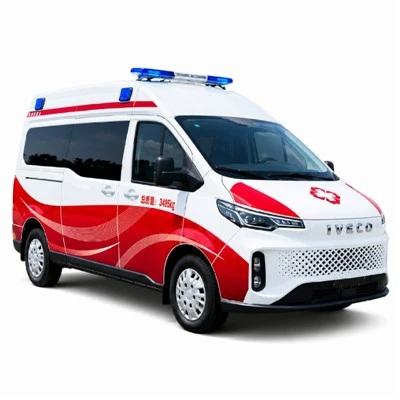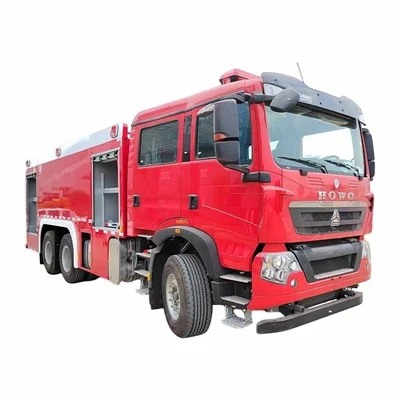


If you’ve ever worked in defense logistics, military operations, or even large-scale emergency response coordination, you know that a troop transport vehicle is far more than a box on wheels. Its seat configuration isn’t just about fitting people—it’s about balancing safety, functionality, accessibility, and operational efficiency, all tailored to the specific mission at hand. As a supplier specializing in purpose-built troop transports, I’ve spent years helping government agencies, defense contractors, and humanitarian organizations select the right vehicle for their needs, and one of the first questions we ask isn’t “how many seats?” but “what will those seats be used for?”
Let’s break down the key factors that shape troop transport seat configurations, and then I’ll walk you through some real-world examples that our team has helped clients implement, including links to our most popular models.
The Core Factors That Define Seat Configurations
Before we even look at specific models, it’s important to understand what drives every seat arrangement in a troop transport. There are four non-negotiable considerations that shape every design: mission type, passenger needs, safety requirements, and vehicle size.
First, mission type. A vehicle shuttling infantry soldiers to a frontline patrol will have a completely different setup than one moving special forces teams with heavy gear, or one transporting medical personnel and civilians in a disaster zone. For example, a short, high-speed run might prioritize quick entry and exit, while a long-distance convoy needs seats that keep passengers comfortable for hours, not just minutes.
Next, passenger needs. Troop transports don’t just carry adults in uniform—sometimes they carry medics with stretchers, sometimes they carry equipment, and in some cases, they carry personnel with mobility challenges. That’s why many modern configurations include wheelchair-accessible seating, fold-down seats for gear storage, and even designated areas for specialized equipment like radios or medical kits.
Safety is another make-or-break factor. Unlike commercial buses, troop transports are built for rough terrain, sudden stops, and even potential collisions or blasts. Seats need to be secured to the vehicle’s frame (not just the floor) with heavy-duty mounting, and many are designed with energy-absorbing backs to reduce injury during impacts. For military applications, seats might also be compatible with ballistic armor plating, adding a layer of protection for passengers.
Finally, vehicle size and payload. A compact troop transport for urban or narrow terrain can’t fit 20 people, so it has to prioritize a smaller, more maneuverable configuration. Larger armored models can fit more seats, but every extra seat adds weight, which affects fuel efficiency and off-road performance. It’s all about balance—you want to carry as many people as needed without compromising the vehicle’s ability to do its job.
Common Seat Configurations We Supply, With Real Examples
Over the years, our clients have asked for a wide range of seat setups, and we’ve developed a line of vehicles to meet every need. Let’s go through the most popular configurations, complete with links to the full product pages so you can see the specs for yourself.
7-Seat Configurations: Compact, Maneurable, and Mission-Focused
For operations in tight spaces—like urban patrols, border control, or small-scale emergency response—a 7-seat configuration is ideal. This setup typically pairs two front seats (for the driver and a mission leader or gunner) with five rear bench or bucket seats, arranged in a 2-5 layout. The middle rear seat can often be folded down to create space for gear like first aid kits, communication equipment, or weapons.
This is one of our most requested configurations for small defense units and local law enforcement agencies. The compact size makes it easy to navigate narrow city streets or winding mountain roads, while still carrying a full team. We’ve helped multiple state defense forces deploy these 7-seat models for rapid response missions, and the feedback has been consistent: it strikes the perfect balance between passenger capacity and maneuverability. If you’re looking for a compact troop transport with a 7-seat setup, you can learn more about our offering here: [Iveco Troop Transport Vehicle with 7 Seat].


9-Seat Configurations: Versatile for Medium-Scale Operations
If you need a little more capacity without moving to a larger, less agile vehicle, a 9-seat configuration is a sweet spot. This setup is usually 2-2-5, with two front seats, two middle seats (for team leaders or specialists), and five rear seats. The middle seats are often bucket seats (not a solid bench), which provides more individual support for longer rides and creates a central aisle for passengers to move around. That aisle is a huge benefit if you need to access equipment stored at the rear, or if someone needs to move to the front to communicate with the driver during a mission.
We’ve found the 9-seat setup works well for everything from medium infantry patrols to humanitarian aid groups moving volunteers and supplies to remote areas. It’s large enough to carry a full team of 9, but still has a smaller turning radius than larger vehicles, making it suitable for both city and off-road use. To dive deeper into our 9-seat troop transport, check out the product page here: [Iveco Troop Transport Vehicle with 9 Seat].
13-Seat Configurations: Balancing Capacity and Function for Convoys
For larger units working in open terrain—like armored convoys or long-distance deployments—a 13-seat configuration is a go-to. This setup is typically 2-3-8, with two front seats (driver and commander), three middle seats for senior personnel or specialists, and eight rear seats arranged in a bench or split bench layout. The rear area is designed with plenty of headroom and legroom, so soldiers can travel for hours without feeling cramped, and many of the seats have adjustable backrests to allow passengers to rest during long rides.
One of the key advantages of the 13-seat model is that it still has enough space for small amounts of gear, even with a full passenger load. The middle bench seats can be folded up to create storage for weapons, water, or communication equipment, which is critical for missions where every pound counts. We’ve supplied these 13-seat vehicles to several international defense forces for convoy operations, and clients often praise the balance between passenger comfort and practicality. You can see all the details of our 13-seat Maxus troop carrier here: [Maxus Troop Carrier Transport Vehicle with 13 Seat].
17-Seat Configurations: Armored Capacity for High-Protection Missions
When safety is the top priority and you need to carry a large team, our 17-seat armored personnel carrier is designed for that. This setup is 2-5-10, with two front seats, five middle seats, and 10 rear seats, all with heavy-duty, energy-absorbing mounts and compatible with optional ballistic armor plating. This vehicle is built for high-risk missions, like frontline deployments, counterinsurgency operations, or evacuations in conflict zones, where passenger protection is non-negotiable.
The 17-seat configuration is the largest in our troop transport line, and it prioritizes safety and capacity over extreme maneuverability. The rear seats are arranged to allow passengers to sit close together but still have enough space to brace themselves during rough off-road travel. Many clients also add optional equipment like gun mounts, communication systems, or medical stations to this model, making it a versatile workhorse for high-stakes missions. If you’re looking for an armored transport with 17 seats, visit the product page here: [Iveco Diesel Armored Personnel Carrier with 17 Seat].
Common Mistakes We See Clients Make (And How to Avoid Them)
After years of working with clients, I’ve noticed a few common mistakes when choosing seat configurations. The biggest one is choosing a configuration based solely on passenger capacity, without thinking about the mission. For example, a 17-seat armored vehicle might seem like a great deal, but if you only need to carry 5 soldiers on patrol, it’s too big, hard to maneuver, and more expensive to operate.
Another mistake is not accounting for future needs. A client might need a 7-seat vehicle today, but in six months, they might need to add a wheelchair-accessible seat or extra storage for medical gear. That’s why all our configurations are modular—many seats can be removed, added, or reconfigured based on your needs, so you don’t have to buy a new vehicle every time your mission changes.
We also see clients overlook safety features when prioritizing capacity. For example, a solid bench seat might fit more people, but it doesn’t provide the same impact protection as individual bucket seats with heavy mounting. All our vehicles are designed with safety as a foundational element, so even our smaller 7-seat models have seats that meet military-grade crash standards.
Ready to Find the Right Troop Transport for Your Mission?
Choosing the right seat configuration is one of the most important decisions you’ll make when selecting a troop transport. It affects everything from operational speed and safety to passenger comfort and mission success. Whether you need a compact 7-seat model for urban patrols, a versatile 9-seat vehicle for medium-scale operations, a 13-seat transport for convoys, or an armored 17-seat personnel carrier for high-risk missions, we have a solution tailored to your needs.
Our team works directly with clients to assess their specific mission, passenger requirements, and terrain, then helps them select the right vehicle and seat configuration. We don’t push one-size-fits-all solutions—every client is different, and we prioritize finding a transport that delivers on their unique needs.
If you’re ready to discuss your troop transport requirements, our team is here to help with a no-obligation consultation. We can walk you through each of our configurations, explain the tradeoffs between capacity, safety, and maneuverability, and provide detailed specs to help you make an informed decision.
References
- U.S. Department of Defense. (2021). Military Ground Vehicle Design Standards for Troop Transports. Defense Logistics Agency.
- International Association of Emergency Managers. (2022). Guidelines for Emergency Response Vehicle Configurations. IAEM Publications.
- European Defence Agency. (2020). Armored Personnel Carrier Safety and Capacity Standards. EDA Technical Report Series.
- National Highway Traffic Safety Administration. (2019). Commercial Vehicle Seat Mounting and Crash Protection Standards. NHTSA Vehicle Safety Division.