

If you’ve ever been stuck on the side of a highway with a dead truck, a flat tire, or a broken engine part, you know how quickly a small maintenance issue can turn into a big headache—especially when there’s traffic flying past, weather acting up, or a tight deadline breathing down your neck. That’s where maintenance trucks come in: they’re the mobile fix-it shops that get you back on the road fast. But what most people don’t stop to think about is how these trucks keep their crews safe while they’re working in those high-stakes, often chaotic environments. As a maintenance truck supplier, I’ve spent years testing and tweaking every safety feature on our vehicles, because at the end of the day, our team’s biggest priority isn’t just fixing your truck—it’s making sure they get home safe to their families.
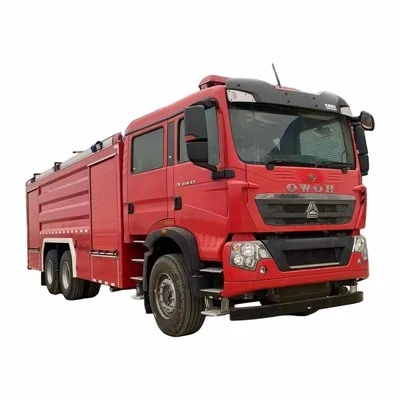
First off, let’s talk about the “big picture” safety that starts before anyone even climbs out of the truck. Most modern maintenance trucks aren’t just regular work trucks with a toolbox bolted on—they’re purpose-built vehicles, which means their chassis and cab are reinforced from the get-go. Take our SINOTRUK HOWO Heavy Duty Mobile Maintenance Vehicle, for example: its frame is built to handle the extra weight of tools, parts, and even small workbenches without warping, which cuts down on tire wear, improves handling on winding roads, and reduces the risk of blowouts when you’re hauling heavy cargo over long distances. We also add reinforced side mirrors and blind-spot detection systems, because nothing ruins a workday like a distracted driver hitting a cyclist or another parked car. That’s a huge upgrade from old, modified work trucks, which often had tiny mirrors and zero extra safety tech—we’ve all seen the ones that look like they were put together in a backyard garage.
Once the maintenance crew arrives at the job site, the immediate danger shifts from driving to being on the ground, right next to moving traffic (or heavy machinery, if it’s a construction site or factory floor). That’s where one of the most underrated safety features of any good maintenance truck comes in: the deployable safety barrier and illuminated work zone. Let’s break that down. When the truck’s rear or side awning extends to create a covered workspace, we integrate retractable plastic (or metal, for heavy-duty models) barriers that unfold 10 to 15 feet out from the truck, blocking passing traffic from reaching the crew. On top of that, we mount high-output, weatherproof LED lights around the work area—no more flickering halogen bulbs that die in the rain. For low-light or night shifts, these lights turn the work zone into a brightly lit, visible area, and we even add flashing amber beacons on the roof and rear to alert other drivers that there are people working nearby. If you check out our Foton Aumark Mobile Maintenance Service Truck, you’ll see this in action: it has an extra set of lights that sync with the truck’s hazard lights, so if someone slams on their brakes behind you, the entire work zone lights up brighter to catch their attention.
Next up: personal protection that’s built into the truck itself, not just the hard hats and reflective vests the crew wears. The mobile workshop in a maintenance truck isn’t just a place to keep wrenches and oil—its interior is designed to prevent injuries before they happen. First, we use non-slip flooring in both the cab and the work area. I’ve seen way too many crew members slip on a puddle of oil or rainwater, knock over a container of tools, and get hurt. Our floors have a textured, chemical-resistant coating that grips even when wet, and we add drains so spills don’t pool up. Then there’s storage: every wrench, socket, and heavy part has a designated, locked (or spring-loaded) compartment that keeps things from sliding around when the truck is moving. A loose 50-pound generator flying around a work truck cab isn’t just a damaged tool—it’s a potential fatal injury if it hits someone during a sudden stop. We also add fire suppression systems in the work area and fuel storage section. That’s non-negotiable: when you’re dealing with gasoline, diesel, or hydraulic fluids, a small spark can turn into a fire in seconds, so having a built-in fire extinguisher (or even an automated system for larger trucks) is a must. If you’re looking for a specific model, our Dongfeng D9 Double Cab Mobile Workshop Truck has a separate, ventilated compartment for flammable fluids, so they can’t leak into the rest of the truck if a line breaks.
Another big one is access and egress, which sounds boring but can make a huge difference in safety. A lot of older maintenance trucks have ladders that are too steep, or steps that are spaced wrong, making it easy to trip when climbing up or down. We use non-slip steps with wide treads, handholds that run the entire length of the cab, and even grab bars in the work area for moving heavy parts or getting in and out of the truck when you’re wearing bulky work gear (like insulated gloves or a harness for working at height). Speaking of working at height: some maintenance jobs require climbing on top of a truck, trailer, or piece of heavy equipment, so we add integrated ladders with safety rails that meet OSHA standards. I know it’s tempting to cut corners here, but trust me—when you’re 10 feet up on a muddy trailer, a wobbly ladder isn’t worth the risk of a fall that could sideline someone for months.
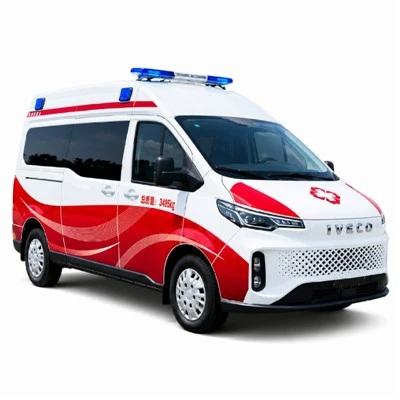
Wait, let’s not forget about specialized maintenance trucks that handle even higher-risk work. Not every maintenance job is fixing a flat on the highway—some are working on power lines, ATMs, or even financial service vehicles. If you need a truck that works with sensitive or regulated equipment, like mobile banking units, we’ve got the Mobile Banking And Financial Service Vehicle, which has extra security and safety features tailored to those jobs: reinforced cargo locks, GPS tracking, and even bulletproof panels in key areas, because those crews are dealing with high-value assets. And for jobs that need zero emissions or quiet operation, our IVECO Juxing Electric Mobile Service Vehicle has all the same ground safety features, plus the added benefit of no exhaust fumes in the work area—huge for indoor jobs, like factory maintenance, where fumes can build up fast.
Now, let’s talk about features that keep the truck itself safe on the road, because a broken-down maintenance truck can’t help anyone. Every one of our maintenance trucks comes with advanced driver-assistance systems (ADAS) that you’d expect in a modern SUV, not a heavy work vehicle: automatic emergency braking, lane-keeping assist, adaptive cruise control, and tire pressure monitoring systems. Tire pressure is a big one—underinflated tires cause blowouts, reduce fuel efficiency, and make the truck harder to handle, especially when it’s loaded with tools. Our tire pressure sensors send real-time alerts to the driver’s phone, so they can fix a small problem before it becomes a dangerous one. We also do regular safety audits on every truck we build, using data from years of field tests to tweak designs—for example, we noticed early on that some maintenance trucks had weak rear bumpers, so we upgraded them to absorb impacts better, which reduced the number of injuries when someone rear-ended a parked service truck.


Something that a lot of customers don’t ask about, but is critical for long-term safety, is training support. When you buy a maintenance truck from us, we don’t just hand over the keys and walk away. We provide free training for your crew on how to use every safety feature properly—from deploying the work zone barriers to operating the fire suppression system to using the ADAS features. I’ve seen too many companies buy trucks with fancy safety tech, but their crews don’t know how to use it, so it’s useless. For example, the deployable safety barrier on our Foton Aumark model only works if you extend it all the way, not just halfway—we teach crews that because a half-extended barrier is basically no barrier at all. That’s why we include hands-on training, not just a manual you read once.
Let’s also address common misconceptions. Some people think “safety features add too much weight to the truck, making it less useful.” But that’s not true for the models we build. We use lightweight, high-strength materials for barriers and bumpers, so we’re not sacrificing cargo space or payload capacity. A good example is our SINOTRUK HOWO Heavy Duty Mobile Maintenance Vehicle: it can carry up to 10 tons of tools and parts, but still has the same safety rating as most standard work trucks on the market. We test every truck in real-world conditions—driving on icy mountain roads, working in 100-degree heat, setting up work zones in heavy rain—so we know our safety features hold up when they matter.
Another myth: “all maintenance trucks have the same safety features.” Nope. A small, 1-ton maintenance truck for urban deliveries has different needs than a heavy-duty 10-ton truck for construction sites, which is why we customize every truck to the job it’s going to do. If your crew is mostly working in city streets, we add extra pedestrian detection to the ADAS and smaller, more maneuverable work zone barriers. If they’re working in remote areas where cell service is spotty, we add backup generators and satellite tracking, so you can always find the truck and call for help if something goes wrong. That customization is what makes our trucks stand out—we don’t sell a one-size-fits-all model, we build safety into the truck that fits your specific work.
At the end of the day, safety isn’t an afterthought for us—it’s the first thing we design into every maintenance truck we build. Every bar, every light, every storage compartment, every ADAS feature is there because we’ve heard the stories of crews getting hurt, of jobs going wrong because a safety feature was missing, and we refuse to be part of that. If you’re in the market for a maintenance truck, don’t just look at payload capacity or tool storage—ask about the safety features, and make sure they’re tested, proven, and tailored to your work.
If you’re ready to start shopping for a maintenance truck that puts your crew’s safety first, we can help you find the perfect model for your needs. Whether you’re looking for a compact urban unit, a heavy-duty workhorse for construction sites, or a specialized vehicle for high-risk jobs like mobile financial services, we’ve got options that check every box. Reach out to our team to learn more, or to schedule a demo to see our safety features in action.
References
- National Institute for Occupational Safety and Health (NIOSH). (2022). Safety Guidelines for Mobile Work Vehicles on Public Roads.
- Occupational Safety and Health Administration (OSHA). (2021). Standards for Worksite Safety for Maintenance and Repair Vehicles.
- International Organization for Standardization (ISO). (2020). ISO 10263: Road Vehicles - Protection of Occupants of Work Vehicles.
- China Vehicle Industry Association (CVIA). (2023). Special Purpose Vehicle Safety Standards for Mobile Maintenance and Service Trucks.
- U.S. Department of Transportation (USDOT). (2022). Advanced Driver Assistance Systems (ADAS) for Commercial Work Vehicles.