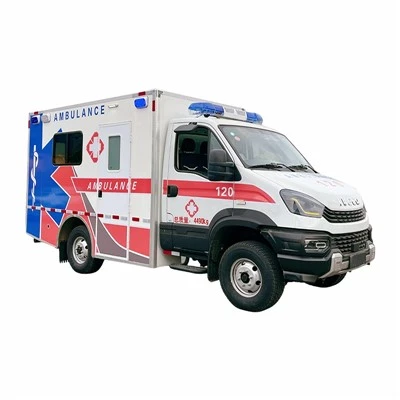


Hey there! As a medical vehicle supplier, I've seen firsthand how crucial it is to manage the temperature inside these vehicles. Whether it's transporting sensitive medical equipment, vaccines, or patients, maintaining the right temperature can make all the difference. In this blog post, I'll be diving into how medical vehicles manage the temperature inside, and why it's so important.
Why Temperature Management Matters in Medical Vehicles
First off, let's talk about why temperature management is such a big deal in medical vehicles. Medical supplies and equipment can be incredibly sensitive to temperature fluctuations. For example, vaccines need to be stored at a specific temperature range to remain effective. If they get too hot or too cold, they can lose their potency, rendering them useless.
Similarly, certain medications, blood products, and diagnostic samples also require strict temperature control. Even a small deviation from the recommended temperature can lead to spoilage or inaccurate test results. That's why medical vehicles need to be equipped with reliable temperature management systems to ensure the safety and efficacy of these critical supplies.
Patients, too, benefit from proper temperature control. In an ambulance, for example, maintaining a comfortable and stable temperature can help keep patients calm and reduce the risk of hypothermia or heatstroke. In mobile clinics and operating rooms, a consistent temperature is essential for the comfort of both patients and medical staff.
Types of Temperature Management Systems
There are several types of temperature management systems used in medical vehicles, each with its own advantages and limitations. Let's take a closer look at some of the most common ones.
1. Refrigeration Units
Refrigeration units are the go - to solution for maintaining low temperatures inside medical vehicles. These units work by removing heat from the interior of the vehicle using a refrigerant. They can be used to store vaccines, blood products, and other temperature - sensitive medications.
Most refrigeration units in medical vehicles are designed to be compact and energy - efficient. They can be powered by the vehicle's electrical system or a separate generator. Some advanced models even come with built - in temperature sensors and alarms that notify the driver if the temperature goes out of the set range.
For instance, if you're interested in a vehicle that might need such a refrigeration system, check out our Iveco LHD Or RHD Mobile Clinic. It's a great option for on - the - go medical services and can be equipped with top - notch refrigeration to store necessary supplies.
2. Heating Systems
Heating systems are just as important as refrigeration units, especially in colder climates. These systems can be used to keep the interior of the vehicle warm, ensuring the comfort of patients and medical staff.
There are different types of heating systems available for medical vehicles. Some use the vehicle's engine coolant to provide heat, while others rely on electric heaters. Electric heaters are often more precise and can be controlled more easily, but they also consume more power.
In a Modular Field Hospital Facility, a reliable heating system is essential to keep patients and medical equipment in a stable environment, even in harsh outdoor conditions.
3. Ventilation Systems
Ventilation systems play a crucial role in temperature management as well. They help to circulate air inside the vehicle, removing stale air and preventing the buildup of heat and humidity.
Proper ventilation can also help to reduce the spread of contaminants, such as bacteria and viruses, in the vehicle. Medical vehicles often have high - efficiency particulate air (HEPA) filters installed in their ventilation systems to trap these contaminants and ensure clean air circulation.
In a Mobile Operation Room Rapid Truck, a well - functioning ventilation system is paramount to maintain a sterile environment and keep the temperature at an optimal level during surgeries.
Advanced Temperature Control Technologies
In addition to the basic temperature management systems, there are also some advanced technologies that are being used in medical vehicles to improve temperature control.
1. Smart Thermostats
Smart thermostats are becoming increasingly popular in medical vehicles. These devices use sensors to monitor the temperature inside the vehicle and adjust the heating or cooling system automatically. They can be programmed to maintain a specific temperature range, and some even allow remote monitoring and control via a smartphone app.
This technology is especially useful for medical vehicles that are used in remote areas or for long - distance transportation. It ensures that the temperature remains stable, even if the driver is not constantly monitoring the system.
2. Thermal Insulation
Thermal insulation is another important aspect of temperature management in medical vehicles. By using high - quality insulation materials, the vehicle can reduce heat transfer between the interior and the exterior. This means that the heating or cooling system doesn't have to work as hard to maintain the desired temperature, resulting in energy savings.
Insulation materials can be installed in the walls, floors, and ceilings of the vehicle. They come in different forms, such as foam, fiberglass, and reflective barriers.
Challenges in Temperature Management
Managing the temperature inside medical vehicles is not without its challenges. One of the biggest challenges is dealing with external temperature variations. For example, if a vehicle is parked in direct sunlight on a hot day, the interior temperature can rise quickly, putting the temperature - sensitive supplies at risk.
Another challenge is the limited space and power supply in medical vehicles. Refrigeration and heating systems require a significant amount of power, and there may not be enough space to install large - scale temperature management equipment.
To overcome these challenges, medical vehicle manufacturers are constantly innovating. They are developing more energy - efficient systems, improving insulation materials, and finding ways to optimize the use of space.
Our Range of Medical Vehicles and Temperature Management
At our company, we offer a wide range of medical vehicles, each designed with the latest temperature management technologies. For example, our Ford Transit T8 Mobile Clinic Vehicle is equipped with a state - of - the - art refrigeration unit and ventilation system to ensure the safe storage of medical supplies.
Our Mobile Dental Clinic Bus also features advanced temperature control to provide a comfortable environment for patients and dental staff. We understand that every medical vehicle needs is unique, and we work closely with our customers to customize the temperature management systems according to their specific requirements.
Conclusion and Call to Action
In conclusion, temperature management is a critical aspect of medical vehicle design and operation. By using the right temperature management systems and technologies, medical vehicles can ensure the safety and efficacy of medical supplies, as well as the comfort of patients and medical staff.


If you're in the market for a medical vehicle and need to ensure proper temperature management, we're here to help. Whether you're looking for a mobile clinic, a field hospital, or an ambulance, we have the expertise and the products to meet your needs. Reach out to us to start the conversation about your specific requirements and let's explore how we can provide the perfect medical vehicle for you.
References
- "Temperature Management in Medical Transport Vehicles" - Journal of Medical Equipment and Technology.
- "Advanced Technologies for Temperature Control in Mobile Medical Facilities" - International Journal of Healthcare Engineering.