

A drainage vehicle is a specialized piece of equipment used to remove water from flooded areas, construction sites, or other locations where water accumulation is a problem. As a leading drainage vehicle supplier, we are often asked about the control system of these vehicles. In this blog post, we will explore the inner workings of a drainage vehicle's control system, explaining how it functions to ensure efficient and reliable water removal.
The Basics of a Drainage Vehicle Control System
The control system of a drainage vehicle is a complex network of components that work together to manage the operation of the vehicle's pumps, engines, and other critical systems. The primary goal of the control system is to provide a user-friendly interface for the operator to monitor and adjust the vehicle's performance, while also ensuring the safety and efficiency of the overall water removal process.
At the heart of the control system is a central control unit (CCU). The CCU is essentially the brain of the vehicle, responsible for processing data from various sensors and input devices, and sending commands to the vehicle's actuators, such as the pumps and engines. The CCU is typically programmed with a set of algorithms and control strategies that optimize the vehicle's performance based on the specific requirements of the job.
Sensor Integration
Sensors play a crucial role in the control system of a drainage vehicle. They provide real-time data on various parameters, such as water level, pump pressure, engine temperature, and fuel level, which the CCU uses to make informed decisions about the operation of the vehicle.
- Water Level Sensors: These sensors are installed in the water source and the collection tank to monitor the water level. By continuously measuring the water level, the control system can automatically start or stop the pumps as needed to prevent overfilling or running the pumps dry.
- Pressure Sensors: Pressure sensors are used to monitor the pressure in the pump system. This information is critical for ensuring that the pumps are operating within their design limits and for detecting any blockages or leaks in the system.
- Temperature Sensors: Engine and pump temperature sensors help the control system monitor the thermal conditions of these components. If the temperature exceeds a safe limit, the control system can take corrective actions, such as reducing the engine speed or activating cooling systems.
- Fuel Level Sensors: Fuel level sensors provide information about the amount of fuel in the vehicle's tank. This allows the control system to alert the operator when the fuel is running low and to optimize the vehicle's fuel consumption by adjusting the engine speed and pump operation.
User Interface
The user interface is the means by which the operator interacts with the control system. It typically consists of a display panel and a set of input devices, such as buttons, switches, and joysticks.
- Display Panel: The display panel provides the operator with a visual representation of the vehicle's status, including information on water level, pump pressure, engine temperature, fuel level, and other critical parameters. It may also display diagnostic messages and alerts to inform the operator of any potential problems.
- Input Devices: The input devices allow the operator to control the operation of the vehicle's pumps, engines, and other systems. For example, the operator can use the buttons or switches to start or stop the pumps, adjust the pump speed, or change the direction of water flow. The joysticks may be used to control the movement of the vehicle or the position of the pump inlet.
Pump Control
One of the most important functions of the control system is to manage the operation of the pumps. The control system can adjust the pump speed, flow rate, and pressure based on the water level, the demand for water removal, and the capacity of the pumps.
- Variable Speed Control: Many modern drainage vehicles are equipped with pumps that can operate at variable speeds. The control system can adjust the pump speed to match the water flow rate, which helps to optimize energy consumption and reduce wear and tear on the pumps.
- Flow Rate Regulation: The control system can also regulate the flow rate of the pumps by adjusting the pump speed or the opening of the valves in the pump system. This ensures that the water is removed at a rate that is appropriate for the capacity of the drainage system and the amount of water in the source.
- Pressure Monitoring and Control: The control system continuously monitors the pressure in the pump system and adjusts the pump operation to maintain a safe and efficient pressure level. If the pressure exceeds a certain limit, the control system can reduce the pump speed or take other corrective actions to prevent damage to the pumps or the pipeline.
Engine Control
The engine is the power source for the drainage vehicle, and the control system plays a vital role in managing its operation. The control system can optimize the engine performance, reduce fuel consumption, and ensure the safety of the engine.
- Idle Speed Control: When the vehicle is not in use or is operating at a low load, the control system can reduce the engine idle speed to save fuel. This helps to minimize the environmental impact of the vehicle and reduces operating costs.
- Load Management: The control system can adjust the engine speed and power output based on the load demand from the pumps and other systems. This ensures that the engine operates at its most efficient point and provides sufficient power to meet the requirements of the water removal process.
- Engine Protection: The control system monitors the engine temperature, oil pressure, and other critical parameters to detect any potential problems. If a problem is detected, the control system can take appropriate actions, such as shutting down the engine or triggering an alarm, to prevent damage to the engine.
Safety Features
The control system of a drainage vehicle is also equipped with a number of safety features to protect the operator, the vehicle, and the environment.


- Emergency Stop Button: The emergency stop button allows the operator to quickly shut down the vehicle in case of an emergency. When the emergency stop button is pressed, the control system immediately stops the operation of the pumps and the engine.
- Overload Protection: The control system monitors the power consumption and load of the pumps and the engine to prevent overloading. If an overload is detected, the control system can reduce the pump speed or take other corrective actions to protect the equipment.
- Leak Detection: Some drainage vehicles are equipped with leak detection sensors that can detect water leaks in the pump system or the pipeline. If a leak is detected, the control system can alert the operator and shut down the pumps to prevent further damage.
Our Drainage Vehicle Products
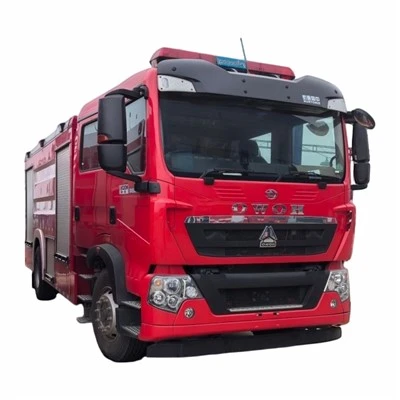
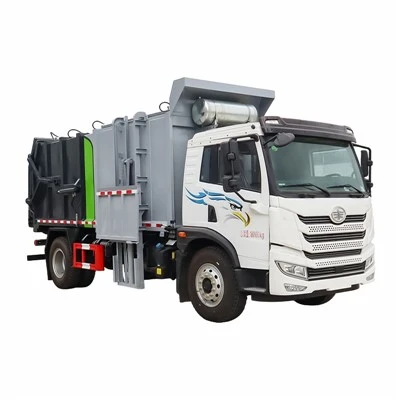
As a leading drainage vehicle supplier, we offer a wide range of high-quality drainage vehicles to meet the diverse needs of our customers. Some of our popular products include the Maxus 500m³ H Flood Pump Truck, the JMC 1000m³ H Drainage Pump Truck, the Dongfeng 1000m³ H Flood Pump Truck, the ISUZU 3000m³ H Flood Pump Truck, and the HOWO 4000m³ H Flood Pump Truck. These vehicles are equipped with advanced control systems that ensure efficient and reliable water removal.
Conclusion
The control system of a drainage vehicle is a complex and sophisticated network of components that work together to ensure the efficient and reliable operation of the vehicle. By integrating sensors, a user interface, and advanced control algorithms, the control system allows the operator to monitor and adjust the vehicle's performance in real-time, while also providing a high level of safety and protection.
If you are in the market for a drainage vehicle, we invite you to contact us to discuss your specific requirements. Our team of experts will be happy to help you choose the right vehicle for your needs and provide you with all the information you need to make an informed decision.
References
- Automotive Electronics Handbook, Edited by Wolfgang Grover, McGraw - Hill Professional, 2014
- Control Systems Engineering, Norman S. Nise, Wiley, 2019
- Fluid Mechanics, Frank M. White, McGraw - Hill Education, 2016